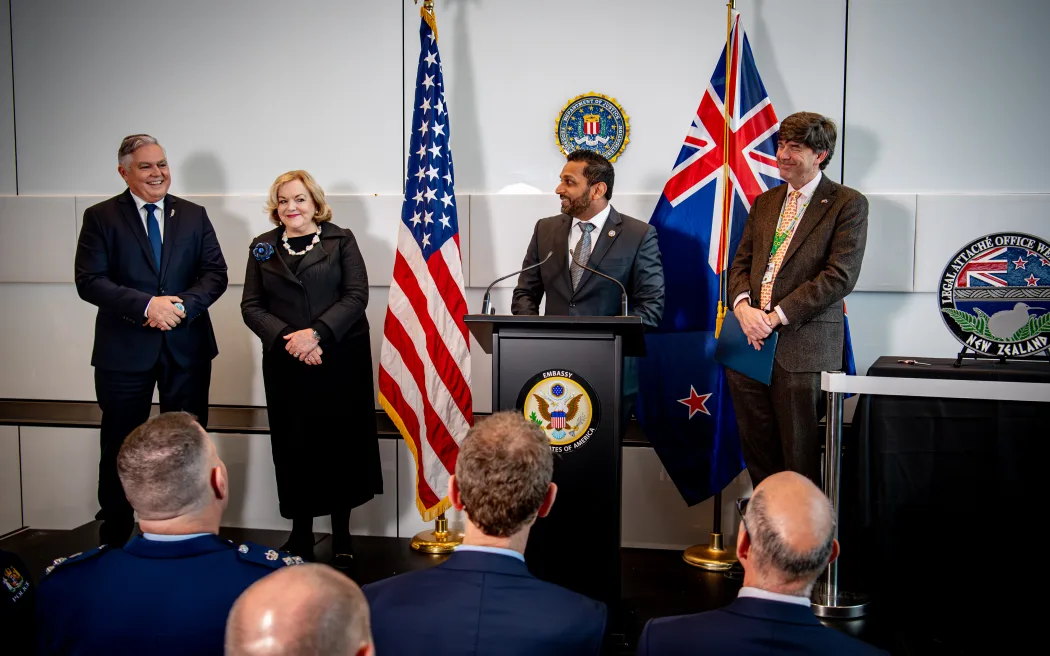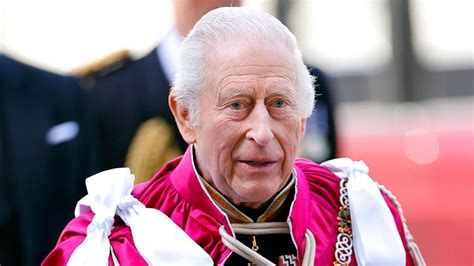
Every New Year and every King’s Birthday the same ritual unfolds. Newspapers publish lists of names. Politicians offer congratulations. Television presenters speak of service and achievement. Photographs appear of smiling recipients standing beside representatives of the Crown. For a few days the country is invited to celebrate the latest round of honours bestowed in the King’s name. Most people barely notice. Some see it as harmless recognition for good work. Others regard it as a quaint tradition left over from another age. Yet beneath the polite language and ceremonial pageantry sits a question that deserves far more attention than it receives -why should anybody accept honours from a king at all?
For anarchists, the answer seems obvious. We oppose monarchy because we oppose hereditary power. We oppose the idea that some people are born into positions of authority over others. We reject the notion that one family should occupy a privileged place within society simply because of bloodline. The British monarchy represents one of the oldest surviving examples of inherited status in the world. Accepting honours from the Crown therefore means accepting recognition from an institution whose existence rests upon principles fundamentally opposed to equality. The issue, however, goes deeper than opposition to monarchy alone. The honours system is not simply about medals, titles and certificates. It performs a political function. It helps maintain respect for existing structures of power. It encourages people to seek validation from those structures. It reinforces the idea that achievement acquires greater significance when recognised from above.
Human beings have always sought recognition. There is nothing strange about that. People want their efforts appreciated. They want their sacrifices acknowledged. They want to know that what they have done matters. The question is who provides that recognition and what values are expressed through it.
When a community thanks a person for years of service, that recognition comes from below. It emerges from relationships between equals. When workers celebrate a fellow worker, or neighbours honour someone who has contributed to collective life, the recognition belongs to the people directly affected. State honours operate differently. They flow downward. They originate from institutions that stand above society. Their value depends entirely upon the prestige attached to those institutions. The recipient is expected to feel honoured because the recognition comes from the Crown.
This is why honours have always been attractive to ruling classes. They provide a means of distributing status without distributing power. They allow elites to reward loyalty while presenting the reward as public gratitude. They create a hierarchy of prestige that sits alongside economic and political hierarchies. The language surrounding honours often obscures this reality. We are told that recipients are recognised for their service. Service to whom? Service according to whose standards? These questions rarely receive serious attention.
The honours system reflects the priorities of the state because it is administered by the state. Decisions are shaped by political institutions, official committees and social networks. People whose work aligns comfortably with existing structures are more likely to receive recognition than those who challenge those structures. History offers many examples. Trade union militants, anti-colonial activists, revolutionary organisers and other opponents of established power have rarely been showered with honours while they are actively engaged in struggle. Governments tend to reward those who contribute to social stability as defined by governments themselves.
This does not mean every recipient consciously supports the status quo. Many are decent people who have devoted years to helping others. Some have spent their lives caring for vulnerable people, building community organisations or advancing worthwhile causes. Their contributions may be genuine and substantial. The problem lies not primarily with individual recipients but with the institution conferring the award.
Good people can become symbols for bad systems. The state understands this perfectly well. By honouring respected figures, it borrows some of their moral credibility. Their achievements become attached to the prestige of the Crown. The relationship works in both directions. The recipient receives recognition. The institution gains legitimacy.
In Aotearoa New Zealand this dynamic carries a particular historical weight. The Crown is not an abstract constitutional arrangement floating above history. It is a living institution deeply connected to colonisation. The authority exercised by the British Crown provided the framework through which land was seized, resistance was crushed and Māori communities were subjected to generations of dispossession.
The New Zealand state often presents itself as separate from these events, as though colonial violence belongs to a distant past disconnected from present institutions. Yet the Crown remains central to the constitutional order established through colonisation. Governments act in the name of the Crown. Courts derive authority from the Crown. Public servants serve the Crown. Against this backdrop, accepting honours from the monarch acquires a different significance. The award cannot be separated from the institution granting it. The medal may appear small. The ceremony may seem harmless. Yet the symbolism remains.
For Māori activists who have spent decades resisting Crown power, this contradiction has often been impossible to ignore. Some have declined honours on precisely these grounds. They recognised that acceptance would conflict with the principles they had spent their lives defending. Others have accepted, arguing that the honour reflects recognition for their communities rather than allegiance to the monarchy. The debate reveals genuine tensions. It is not always straightforward.
Anarchists should approach such decisions with humility rather than moral grandstanding. People make choices for complex reasons. Some recipients see acceptance as an opportunity to draw attention to causes they care about. Others view the award as recognition shared with wider communities. Condemnation alone rarely produces useful political discussion. At the same time, political honesty requires us to examine what honours actually represent.
Imagine a society organised around equality and mutual aid. Imagine a society in which people collectively control the conditions of their lives. In such a society, would anybody require validation from a hereditary monarch living on the opposite side of the world? Would social contribution become more meaningful because a king approved of it? The question sounds absurd because it is absurd.
The prestige attached to honours depends upon social conditioning. From childhood we are taught that kings, queens, governors-general and other figures of authority possess special importance. Ceremonies reinforce this lesson. Flags, uniforms, titles and rituals reinforce it again. Over time many people come to regard these symbols as natural. Yet there is nothing natural about them.
No infant enters the world believing one family possesses a divine or hereditary right to occupy palaces. No child spontaneously develops reverence for crowns and aristocratic titles. Such attitudes must be cultivated. The honours system contributes to that cultivation. It reproduces respect for hierarchy under the guise of gratitude.
This is one reason republicans often oppose honours linked to the monarchy. Even those who do not identify as anarchists recognise the contradiction between democratic ideals and hereditary institutions. If all citizens are supposed to be equal, why should recognition derive from a royal family? Anarchists take the criticism further. The problem is not simply hereditary power. The problem is authority itself. We oppose systems that place some people above others. We oppose arrangements that encourage deference and obedience. We seek forms of social organisation based upon cooperation among equals.
Honours pull in the opposite direction. They encourage people to look upward for approval. They suggest that achievement becomes complete only after official recognition arrives. Many extraordinary people have rejected this logic. Throughout history radicals, artists, writers and activists have declined honours because they understood the political symbolism involved. Some refused knighthoods. Others rejected state awards entirely. Their decisions reflected a simple conviction – the value of their work did not depend upon endorsement from authority. That position deserves greater respect than it often receives.
Modern capitalism constantly pressures people to seek external validation. Success becomes measured through titles, credentials, rankings and awards. Every sphere of life acquires its hierarchy. People are encouraged to compete for recognition rather than build solidarity. The honours system fits neatly within this broader culture. It transforms social contribution into another form of distinction. Individuals are elevated above their peers. Lists are compiled. Status is distributed. Anarchists should be suspicious whenever institutions encourage people to chase prestige. The world already contains too much hierarchy. We do not need additional systems for sorting human beings into categories of importance.
The nurse who cares for patients through exhausting shifts does not become more valuable because a governor-general places a medal around their neck. The volunteer who supports struggling families does not suddenly acquire greater worth because their name appears on an honours list. The worker organising colleagues against exploitation deserves recognition regardless of whether the state approves. Their contribution exists independently of official acknowledgement. Indeed, some of the most important struggles in history were carried forward by people whom authorities despised. Trade union organisers were imprisoned. Anti-war activists were vilified. Indigenous resistance leaders were criminalised. Women demanding political rights were ridiculed and arrested. Had these people waited for approval from above, many victories would never have occurred.
This should remind us that official recognition is a poor measure of social value. Power often celebrates those who accommodate it and attacks those who challenge it. The judgement of institutions deserves neither automatic trust nor automatic reverence. For anarchists in Aotearoa, opposition to honours should therefore form part of a broader commitment to building alternative cultures of recognition. We should celebrate people because they strengthen collective life. We should honour courage, solidarity and resistance through our own practices. Communities are fully capable of expressing gratitude without monarchs, governors-general or state committees.
Imagine neighbourhood assemblies recognising local organisers. Imagine workers celebrating fellow workers. Imagine communities publicly acknowledging care, generosity and sacrifice without attaching ranks or titles. Such forms of recognition would reflect horizontal relationships rather than vertical ones. They would also carry greater authenticity. Praise from those directly affected by your actions means far more than approval from distant institutions.
Some defenders of honours argue that the system simply rewards excellence. Yet excellence exists everywhere. Every workplace contains people whose labour sustains collective life. Every community contains people who give more than they receive. Most will never receive medals. Their contribution remains invisible because recognition systems inevitably favour some forms of work over others. The result is a distorted picture of social value.
A society obsessed with honours often overlooks the countless acts of cooperation that make everyday life possible. Parents caring for children, neighbours helping neighbours, workers supporting one another through hardship, these activities rarely attract official recognition despite their enormous importance.
Anarchism begins from the opposite perspective. It starts with ordinary people. It recognises that society is built from below. Wealth is produced from below. Communities are sustained from below. Real social power resides there as well. Once we understand this, the spectacle of royal honours begins to look strangely hollow. A king honours people for contributions that were made possible by countless others. The ceremony celebrates individual achievement while obscuring collective effort. It wraps social cooperation in the symbols of hierarchy. We can do better than that.
The struggle against monarchy will not be won through arguments about medals alone. The abolition of honours will not transform society overnight. Yet symbols matter because they express values. They shape expectations. They communicate assumptions about how society should function. Accepting honours from the king reinforces the idea that recognition flows downward from authority. Declining them affirms a different principle. It asserts that dignity does not require royal approval. It reminds us that human worth cannot be bestowed by hereditary institutions.
For those committed to freedom and equality, that is a principle worth defending. The highest honour any person can receive is the respect of their peers and the knowledge that they have contributed to collective liberation. No king can grant that. No king can take it away.